how-to
How to Keep Home Address Private: 7 Steps
Table of Contents
- Step 1: Assess Your Current Exposure and Threat Model
- Step 2: Use a Registered Agent Service for Privacy
- Step 3: Form an LLC to Shield Your Home Address
- Step 4: Start Using a Virtual Office for LLC Filings and Mail
- Step 5: How to Remove Home Address from Public Records
- Step 6: Opt Out of Data Brokers and People-Search Sites
- Step 7: Update Business Filings and Government Records
- Conclusion: Keep Home Address Private Long Term
- Frequently Asked Questions
Last Updated: September 22, 2026
Step 1: Assess Your Current Exposure and Threat Model
Learning how to keep home address private starts with one honest question: who can already find you? Most people assume their address is hard to find. It usually isn't.
A threat model is a simple list of who might look for your address and what they could do with it. It takes 20 minutes to build and saves you from wasting money on the wrong fixes.
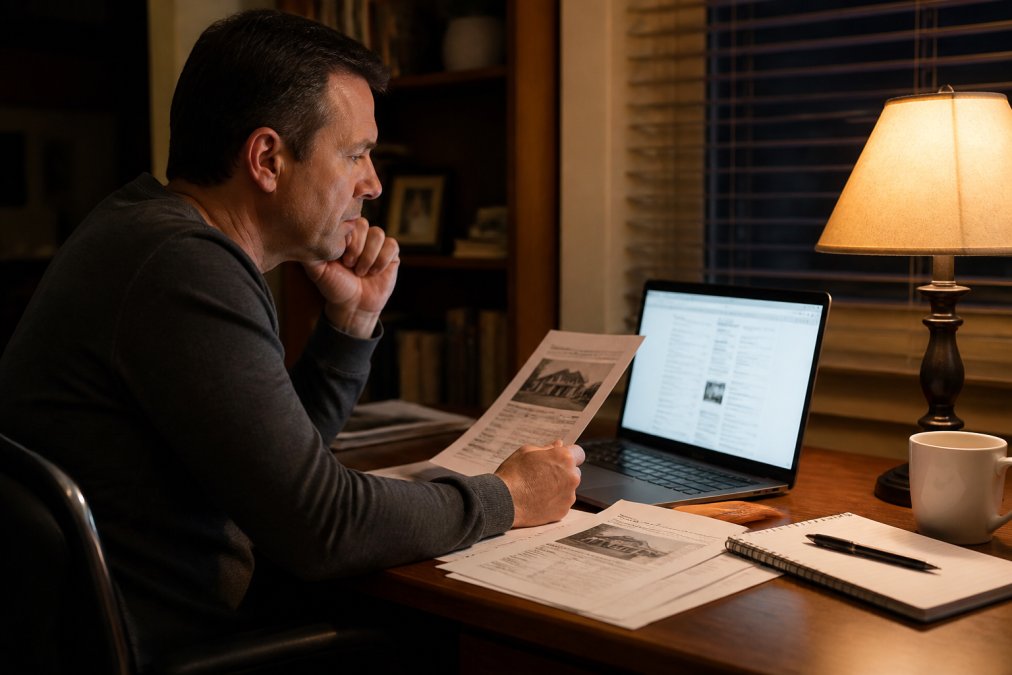
Start by searching your own name and address on major search engines. Then check these places:
- County property records and tax assessor databases
- Your state's business filing portal
- Voter registration records
- People-search sites and data brokers
- Old job listings, press mentions, and social profiles
Write down every place your address appears. That list becomes your cleanup checklist.
Different threats need different fixes. A data broker selling your address needs an opt-out. A public business filing needs an amendment. Match the fix to the exposure, not the other way around.
Step 2: Use a Registered Agent Service for Privacy
A registered agent is a person or company that receives legal mail and service of process for your business. Every LLC and corporation must have one in its formation state.
Here's the part most people miss: your registered agent's address becomes the public contact address for your business, not yours. That single swap keeps your home address off the state's public business database.
A registered agent service privacy setup works like this:
- You hire a professional agent with a commercial street address.
- The agent's address goes on your formation documents.
- Your home address stays in the internal filing record only.
- The agent forwards legal notices and tax mail to you.
Some states allow you to act as your own agent. That saves money but defeats the purpose. Your home address ends up right back in the public record.
At EZ Corp Services, we've handled registered agent work for two decades across Wyoming, Nevada, Texas, and Illinois. Founders who use a professional agent from day one often avoid the amendment headache later.
Step 3: Form an LLC to Shield Your Home Address
A limited liability company is a legal entity that separates your business from you personally. That separation is what lets a business address exist apart from a residential address.
Forming an LLC to mask personal address works because state filing systems list the entity's address, not the owner's. Your name may still appear as the organizer or member, but your home address does not have to.
Two structures do most of the work:
| Structure | What It Hides | Best For |
|---|---|---|
| Registered agent only | Business mailing address | Solo owners, simple setups |
| LLC plus agent | Owner's address in filings | Asset holders, multi-entity owners |
| LLC plus virtual office | Full business presence | Remote founders, consultants |
One caution: some states require the LLC's principal office address in annual reports. Check your formation state's rules before you assume the LLC hides everything.
Step 4: Start Using a Virtual Office for LLC Filings and Mail
Using a virtual office for LLC filings gives your business a real commercial street address without a lease. You get a physical location for mail, packages, and documents, and you can often use it on filings where a PO box is not accepted.
A virtual mailbox is a service that receives your mail at a commercial address, scans it, and forwards or holds it. That differs from a PO box in one key way: many government agencies and banks reject PO boxes but accept a commercial street address.
What to look for:
- A street address in the state where you file
- Mail scanning and forwarding options
- The ability to receive service of process if needed
- No shared-address red flags with the state
Digital nomads get the most from this setup. Mail follows you wherever you are, and your business address stays fixed and professional.
A common mistake is using a virtual address in a state where you are not registered. That can trigger compliance questions. Match the address to your filing state.
Step 5: How to Remove Home Address from Public Records
Removing your address from public records is possible, but the process differs by record type. Here is what to expect, plus the voter-registration angle most guides skip entirely.
Property records: These are the hardest to change. County assessors publish ownership records by law. Some counties allow a confidentiality request for certain professions, such as law enforcement, judges, and in some jurisdictions, domestic violence survivors. Outside those categories, you usually cannot remove the record, you can only change the mailing address the assessor uses for tax notices, which is a separate field from the owner-of-record entry.
Business filings: File an amendment with the Secretary of State to replace your home address with your registered agent's address. This is usually the fastest win. In most states the amendment posts within a few business days, and the old address is replaced rather than archived in the public view, though third-party scrapers may retain the prior version for months.
Voter rolls: This is the record most people forget, and it is often the easiest to find. Voter registration lists are public in most states, and they typically include your name, residential address, party affiliation, and voting history.
Step 6: Opt Out of Data Brokers and People-Search Sites
Data brokers and people-search sites are the loudest source of your address online. Opting out is free, but it is repetitive work. New listings reappear over time.
A typical opt-out takes these steps:
- Find your listing on the site.
- Copy the profile URL.
- Submit the site's removal form.
- Confirm by email if required.
- Recheck in 30 days.
What to do after your address is already exposed
Most guides stop at prevention. If your address has already been leaked, posted, or doxxed, the response is different and time-sensitive.
Do not engage with the person who posted your address. Replies, corrections, and takedown arguments often amplify the post and confirm the information is current. Report, document, and move on.
Prevention is a loop you run quarterly. Remediation is a sequence: document, report to the platform, involve law enforcement if there is a threat, apply for a protective address program if eligible, then harden your accounts. Do them in that order.
Step 7: Update Business Filings and Government Records
Once your new address is in place, update every record that still shows the old one. Missing one leaves a trail back to your home.
Your update checklist:
- File an amendment with the Secretary of State
- Update your registered agent's address on file
- Change your business bank and credit accounts
- Update business licenses and permits
- Notify the IRS of your address change
- Update vendor and client records
- Refresh your website and email footers
Conclusion: Keep Home Address Private Long Term
Privacy is not a one-time task. New data brokers launch, states change filing rules, and old records resurface. A yearly review keeps your home address out of the public eye.
Frequently Asked Questions
Can I use a PO Box for my LLC business address?
A PO Box alone may not satisfy registered agent requirements in many states, as it lacks a physical street address for legal service of process. However, a commercial virtual mailbox or registered agent service provides a real street address that can be used for business filings. For example, Wyoming and Nevada require a physical address within the state for registered agents. Using a PO Box for general business mail is fine, but for official documents, consider a registered agent or virtual office to keep home address private.
How do I remove my home address from public records?
Removing your home address from public records involves several steps: first, file an amendment with your state's Secretary of State to replace your address with a registered agent's or virtual office address. Second, contact county assessor and recorder offices to request suppression if your state allows it. Third, opt out of data brokers and people-search sites. Finally, update voter registration if your state offers privacy programs. Each state has different procedures, so check with local officials or a privacy service.
Is it legal to use a registered agent to keep my address private?
Yes, using a registered agent is legal and common for businesses. All states require LLCs and corporations to have a registered agent with a physical address within the state. By using a commercial registered agent service, you can list their address instead of your home address on public filings. This is a legitimate privacy measure, not a way to evade legal responsibilities. The registered agent must be available during business hours to receive service of process and official notices.
What is the difference between a registered agent address and a business address?
A registered agent address is where legal documents are served and is required to be on public record. A business address is where your company conducts operations and receives general mail. You can use the same address for both, but for privacy, many businesses use a registered agent for legal filings and a virtual office for general correspondence. This separation keeps your home address off public records while maintaining a professional business presence.
This article is for general information only and is not legal advice. Rules vary by state, so confirm current requirements with the relevant agency or a qualified professional before filing.
Questions about your business?
Talk to a real person in Cheyenne. No call centers.